
If you came here after searching “buy Medjool dates Malaysia”, you may already know the date: large, very soft, with a rich caramel taste. The harder part is the listing. Medjool is sold under grade names like Large, Jumbo and Super Jumbo, in packs from 900g to 8kg, and the price per kilo moves a lot between them. This guide explains the grade names, sets out one Malaysian wholesaler’s Medjool prices as checked in November 2026, and covers what to look at when the fruit arrives.
Where Medjool comes from
Medjool originated in Morocco. The FAO’s date palm handbook places it in the Tafilalet area, where it was the principal export date from the 17th century. The same handbook records that the variety was introduced to the USA in 1927 and to Israel in 1934, and that all the Medjool palms in the world originated from one palm in Bou Denib, Morocco.
Those are the variety’s roots, not where a given pack was grown. Every Medjool listing on the wholesaler’s list we checked carries “Palestine” or “Palestin” in its name. Every date sold in Malaysia is imported, so the country in the listing name is worth reading before anything else.
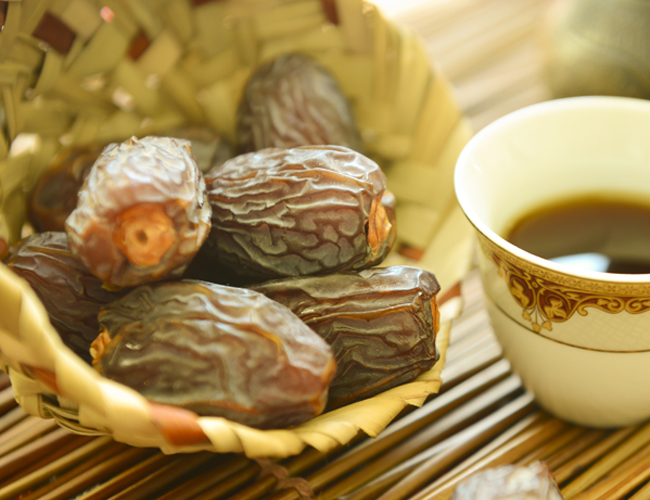
The handbook describes the fruit as very large, 20 to 40 grams a date. It also calls Medjool a soft and delicate fruit with a thin skin that needs careful handling, which matters later when you open the pack.
What Large, Jumbo and Super Jumbo mean
Grade names are each importer’s own size sorting. They are not an international standard, so a Jumbo from one seller need not match a Jumbo from another.
Some countries have set Medjool sizes in writing. The FAO handbook, published in 2002, gives the weight bands used for Medjool in Israel at that time and notes that other countries, the USA for one, used other definitions.
| Size (Israel, per FAO 2002) | Weight of one date |
|---|---|
| Jumbo | More than 23 g |
| Large | 18 g to 23 g |
| Medium | 15 g to 18 g |
The handbook’s list has no Super Jumbo. In Malaysia, the wholesaler whose prices are below describes its own Medjool grades by size on its Medjool page: Large is big, Jumbo is bigger, Super Jumbo is the biggest. That page does not place Premium Jumbo on the ladder, so if the difference matters to you, ask the seller what each name means in grams.
Medjool prices in November 2026
These are all nine Medjool listings on that one wholesaler’s list, checked in November 2026. The per-kilo figure is the price divided by the pack weight.
| Grade | Pack | Price | Per kg | Stock |
|---|---|---|---|---|
| Jumbo | 900g box | RM70 | RM77.78 | In stock |
| Premium Jumbo | 5kg pack | RM280 | RM56 | In stock |
| Super Jumbo | 5kg pack | RM315 | RM63 | In stock |
| Jumbo | 12 × 500g packets | RM355 | RM59.17 | In stock |
| Jumbo | 8 × 900g packets | RM448 | RM62.22 | In stock |
| Jumbo | 12 × 500g packets (second listing) | RM290 | RM48.33 | Out of stock |
| Large | 5kg pack | RM250 | RM50 | Out of stock |
| Large | 8 × 1kg packets | RM394 | RM49.25 | Out of stock |
| Large | 24 × 250g packets | RM355 | RM59.17 | Out of stock |
Two things stand out. All three Large listings were out of stock, and so were the three cheapest listings per kilo. If you only read the top of a price list sorted from low to high, you may end up planning around stock you cannot get.
Among the 5kg packs the price climbs from Large at RM250 to Premium Jumbo at RM280 and Super Jumbo at RM315. Outside the 5kg packs that pattern breaks: the Large 24 × 250g and the Jumbo 12 × 500g listings both cost RM355 for 6kg.
Buy Medjool dates Malaysia-wide: matching the pack to the job
For the lowest in-stock price per kilo on that list, the Premium Jumbo 5kg pack at RM56 a kilo was the one. Super Jumbo in the same pack size cost RM7 a kilo more.
If you need smaller units, the sums get interesting. Eight single 900g boxes at RM70 each would cost RM560. The 8 × 900g multipack was RM448, a saving of RM112 for the same 7.2kg. On the other hand, four 900g boxes cost RM280, the same money as the 5kg Premium Jumbo pack, for 3.6kg instead of 5kg.
And smaller packets are not always dearer per kilo. The in-stock 12 × 500g Jumbo multipack, at about RM59.17 a kilo, came in under the 8 × 900g multipack at about RM62.22. Do the division for every listing you are considering.
Every one of the nine was showing a current price below its regular price, so when comparing two sellers, check you are comparing the same kind of figure.
Opening the pack: what is normal and what is not
Medjool has two defects of its own that look worse than they are. The first is loose skin, where the skin separates from the flesh as the fruit loses water. The FAO handbook calls it an aesthetic defect rather than a taste defect, and fruit with more than 20 to 25% loose skin is graded Class II. The second is sugar crystals forming on the flesh or under loose skin. That too is aesthetic, and also a Class II mark.
Some Medjool shows pale “white shoulders”. The handbook explains these as parts of the fruit still in a light, unripe state, which happens when the fruit passes from khalal to tamar very fast in hot regions.
A sour or alcoholic smell is a different matter. The handbook describes “Juicy Medjool” packed with too much moisture going through alcoholic fermentation from yeast and then souring. It also notes that Medjool that drops from the bunch without its calyx during drying is left with a hole at the base, through which beetles and fungi can get in and sour the fruit. If a pack smells off, photograph it and message the seller the same day.
For what one date gives you in sugar, fibre and potassium, our page on Medjool nutrition facts has the USDA figures, and the post on calories in Medjool and Deglet Noor compares the two.
Keeping Medjool at home
The wholesaler’s Medjool page gives simple storage advice: keep the dates somewhere cool and dry, away from sunlight, move them to an airtight container once the pack is opened, and put them in the fridge if you won’t finish them soon.
For long keeping, the FAO handbook says -18°C is the temperature commonly used for long-term preservation of several varieties, Medjool among them. It adds that this temperature cuts water loss and slows both sugar crystallisation and skin separation, the two defects above.
If you are deciding between soft Medjool and drier dates for a pantry, the post on dried dates sets out how the varieties differ in texture.
Questions about buying Medjool
Is Medjool Palestine a different variety from Moroccan Medjool?
No. Medjool is one variety, and it originated in Morocco. “Palestine” in a listing name is the origin the seller gives for that stock.
Does Jumbo mean the same size at every shop?
No. Grades are each importer’s own size sorting. FAO’s 2002 handbook shows Israel and the USA using different size definitions even then.
Should I return Medjool with sugar crystals on it?
The FAO handbook calls sugar crystals an aesthetic defect that puts the fruit in Class II. A sour or alcoholic smell is the thing to raise with the seller.
Medjool also turns up on this site’s post about premium dates in Indonesia, which sets the variety beside Ajwa, Safawi and others. Before you buy Medjool dates Malaysia-wide, settle three things first: the grade name and what it means at that shop, the price per kilo, and whether the listing is actually in stock. On the November list, the cheapest Medjool per kilo was out of stock.
Questions about this site can go through the contact page.